Ximenia & More: The Ultimate Guide to X-Fruits
When you think of fruits, vibrant reds, sunny yellows, and deep purples often come to mind, along with familiar names like apples, bananas, and oranges. But what about the more enigmatic side of the fruit kingdom? We’re talking about those intriguing fruits that start with X – a rare and often overlooked category that holds a treasure trove of unique flavors, textures, and nutritional benefits. From the tangy delight of the Ximenia to the familiar yet differently named Xigua, these 'X-fruits' invite you on a culinary adventure unlike any other. Prepare to expand your palate and knowledge as we delve into the ultimate guide to these fascinating edibles.
What Exactly Are X-Fruits? Debunking the Mystery
The term "X-fruit" isn't a scientific botanical classification, but rather a playful and convenient way to refer to the relatively small number of fruits whose names begin with the letter 'X'. This distinct category sparks curiosity, often associated with the exotic, the rare, and the hard-to-find. While some, like the Ximenia, are genuinely lesser-known outside their native regions, others might be familiar fruits known by a less common 'X' name. The allure of fruits that start with X lies in their diversity – hailing from various continents, thriving in different climates, and offering a spectrum of tastes from sweet and juicy to tart and earthy. Exploring these unique offerings not only broadens our culinary horizons but also introduces us to the rich biodiversity of our planet.
Discovering the Stars: Notable Fruits That Start with X
Let's peel back the layers and get acquainted with some of the most prominent, intriguing, and sometimes surprising fruits that start with X. Each possesses its own charm, flavor profile, and set of culinary applications.
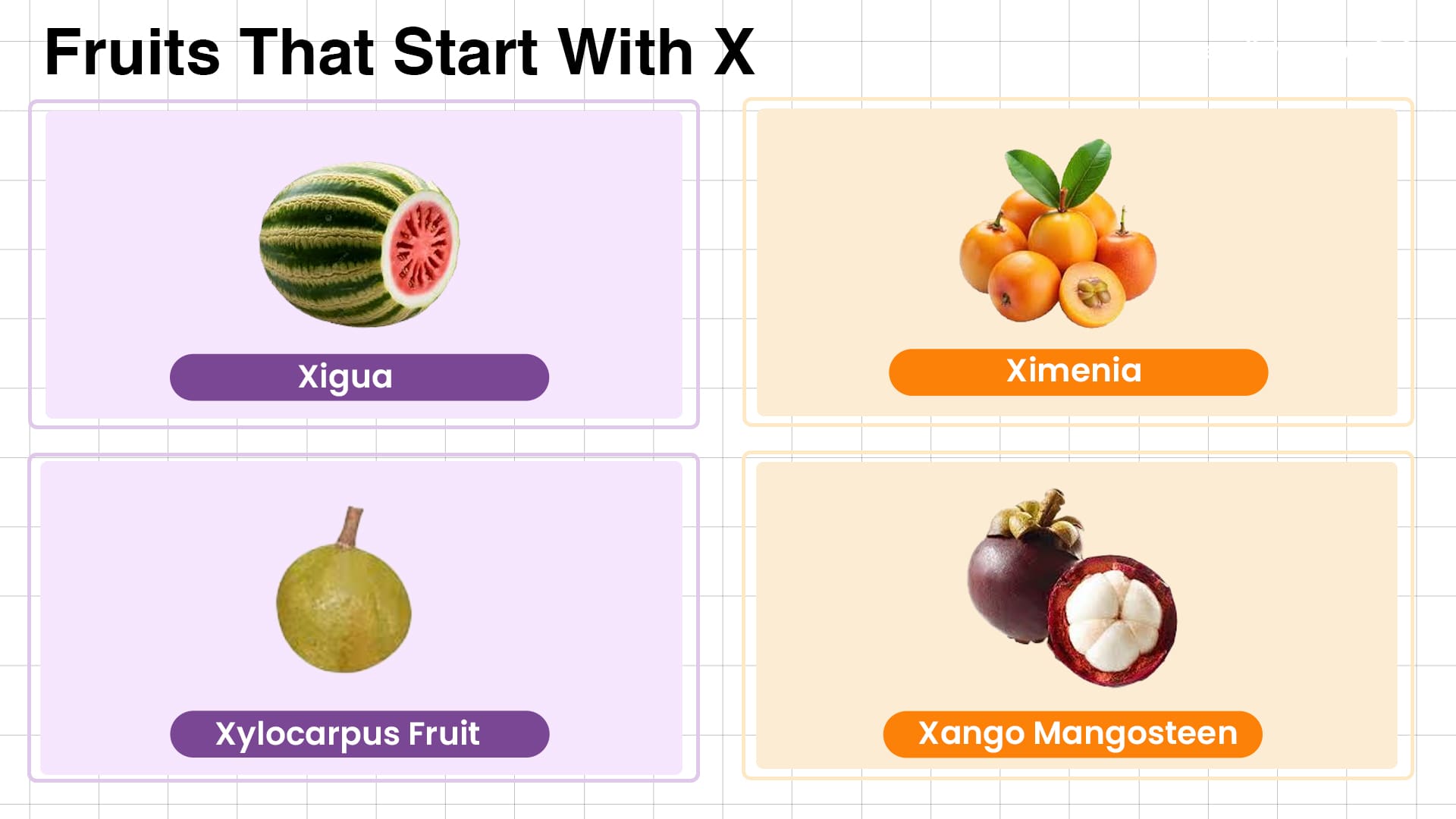
Ximenia (Sourplum, Hog Plum, Wild Plum)
- Description: The Ximenia, often known as sourplum or hog plum, is perhaps the most famous of all rarest fruits that start with X. It’s a small, round to oval fruit, typically yellow, orange, or reddish-purple when ripe, growing on a thorny shrub or small tree native to Africa, Asia, and Australia.
- Taste & Texture: As its "sourplum" moniker suggests, Ximenia fruits are intensely tart, with a somewhat fibrous pulp and a single large seed. The flavor is often described as a mix between a plum and a lemon, with tropical undertones.
- Culinary Uses: Due to their high acidity, Ximenia fruits are rarely eaten raw in large quantities. They are excellent for making jams, jellies, preserves, sauces, and refreshing beverages. In traditional medicine, various parts of the plant are used for their purported health benefits.
- Nutritional Value: Rich in Vitamin C, antioxidants, and fiber, Ximenia offers a good nutritional boost, contributing to immune health and digestion.
Xigua (Watermelon)
- Description: Surprise! Xigua is simply the Chinese name for watermelon. While not an exotic fruit in itself, its name starting with 'X' firmly places it on our list. Watermelon is a large, sweet, and juicy fruit from the gourd family, famous for its high water content and refreshing properties.
- Taste & Texture: Sweet, crisp, and incredibly hydrating, with a delicate flavor profile. Its flesh is typically red or pink, though yellow and orange varieties exist, dotted with black seeds (or seedless varieties).
- Culinary Uses: Eaten fresh, in fruit salads, juices, smoothies, and even savory salads with feta and mint. Watermelon rinds can also be pickled.
- Nutritional Value: An excellent source of hydration, Xigua is also packed with vitamins A and C, and a powerful antioxidant called lycopene, which is beneficial for heart health and sun protection.
Xoconostle (Sour Prickly Pear, Tunas Agrias)
- Description: Xoconostle refers to the sour varieties of prickly pear fruit (Opuntia matudae), native to Mexico. Unlike its sweeter cousin, the Xoconostle remains tart even when ripe. It’s oval-shaped, green to reddish-purple, and covered in small spines (glochids) that must be carefully removed.
- Taste & Texture: Distinctly sour and slightly acidic, with a firm, pulpy texture and numerous small, edible seeds. Its flavor is unique, often described as a cross between kiwi and lime.
- Culinary Uses: A staple in Mexican cuisine, Xoconostle is commonly used in savory dishes like salsas, stews, moles, and even infused into tequila or mescal. It adds a zesty, tangy kick that cuts through rich flavors.
- Nutritional Value: Rich in antioxidants, fiber, and Vitamin C, Xoconostle is also known for its potential to help regulate blood sugar levels.
Xanthium (Spiny Cocklebur Fruit)
- Description: While not typically consumed as a fruit in the culinary sense, the fruit of the Xanthium strumarium plant is worth mentioning for its 'X' name and historical uses. This plant produces distinctive spiny burs containing two seeds.
- Caution: It's crucial to note that parts of the Xanthium plant, particularly the seeds and young seedlings, can be toxic if ingested in significant quantities due to carboxyatractyloside. Consumption of the fruit for food purposes is not common or recommended without expert guidance and proper processing to remove toxins. Historically, some traditional medicines have used prepared parts of the plant, but this is not for general dietary consumption.
Xylocarp (A Botanical Term)
- Description: While not a single fruit name, "xylocarp" is a botanical term for a fruit that has a hard, woody outer shell. Many fruits that we commonly consume fall under this category.
- Examples: Coconuts, certain types of nuts (like walnuts and pecans, though botanically they are drupes or seeds, their outer casing fits the description), and even some gourds can be considered xylocarps in a broad sense due to their woody texture. This term highlights the diverse structures found among fruits that start with X, even if it's a classification rather than a specific fruit.
Beyond the 'X': Nutritional Powerhouses and Culinary Uses
The allure of fruits that start with X extends beyond their intriguing names and exotic origins. These fruits, like many of their more famous counterparts, are packed with essential nutrients that contribute to a healthy diet. They offer a unique opportunity to diversify your nutrient intake and explore new flavor profiles.
Health Benefits You Might Not Expect
- Antioxidant Boost: Many X-fruits, especially Ximenia and Xoconostle, are rich in antioxidants, which combat free radicals in the body, potentially reducing inflammation and protecting against chronic diseases.
- Vitamin C Power: Fruits like Ximenia and Xoconostle are excellent sources of Vitamin C, vital for immune function, skin health, and collagen production.
- Fiber Rich: The fibrous nature of many of these fruits aids in digestion, promotes gut health, and can help regulate blood sugar levels.
- Unique Phytochemicals: Beyond common vitamins, these fruits often contain unique phytochemicals that contribute to their distinct properties and potential health benefits.
Creative Ways to Enjoy X-Fruits
Incorporating these lesser-known fruits into your diet can be a rewarding culinary experiment. Here are some ideas:
- Juices & Smoothies: Ximenia's tartness makes it an excellent candidate for blending into refreshing drinks, perhaps balanced with sweeter fruits or a touch of honey. Xigua (watermelon) is, of course, a smoothie staple.
- Jams & Preserves: The high pectin content and acidity of fruits like Ximenia and Xoconostle make them perfect for crafting unique jams, jellies, and chutneys.
- Savory Dishes: Xoconostle shines in savory applications. Peel and deseed it, then dice it into salsas, add it to stews for a tangy counterpoint, or grill it alongside meats.
- Desserts: While some might be too tart on their own, X-fruits can be incorporated into pies, tarts, and sorbets, offering a sophisticated tangy note.
Practical Tip: Sourcing and Selection
Finding genuine fruits that start with X like Ximenia or Xoconostle can be a delightful challenge. Look for them in:
- Specialty Ethnic Markets: Especially those catering to African or Latin American cuisine.
- Online Retailers: A growing number of online vendors specialize in exotic and rare produce.
- Farmer's Markets: If you live in a suitable climate, local growers might cultivate unique fruits.
- Grow Your Own: For the adventurous gardener, Ximenia and Xoconostle plants can be grown in appropriate climates, offering the freshest possible harvest.
When selecting, look for fruits that are firm, vibrant in color, and free from blemishes. For spiny fruits like Xoconostle, handle with care or use gloves to avoid the glochids.
Conclusion
The world of fruits that start with X is a captivating corner of nature's bounty, offering a blend of rarity, unique flavors, and substantial nutritional benefits. From the fiercely tart Ximenia that transforms into exquisite preserves, to the universally loved Xigua (watermelon) that keeps us hydrated, and the zesty Xoconostle vital to Mexican gastronomy, these fruits are far more than just lexical curiosities. They are an invitation to explore, to taste, and to appreciate the incredible diversity of our planet's edible treasures. So, the next time you encounter one of these remarkable X-fruits, don't hesitate – embrace the adventure and add a touch of the extraordinary to your culinary repertoire.
