Uncover the Rarest Fruits That Start With X
Embarking on a culinary quest for the most unique and obscure delights, you might stumble upon a fascinating challenge: finding
fruits that start with x. While the English alphabet offers a plethora of starting letters for common produce, 'X' stands as a sentinel of rarity, guarding some of the planet's most intriguing—and often elusive—botanical treasures. These aren't your everyday apples or bananas; 'X' fruits hail from distant lands, boast unusual flavors, and often carry rich cultural or medicinal histories. For the adventurous eater and the curious mind, exploring these uncommon gems offers a unique glimpse into biodiversity and the endless wonders of nature's pantry. Prepare to dive into a world where flavor profiles defy expectations and geographical origins span continents.
The Allure of X-Fruits: A Journey into the Unknown
The scarcity of
fruits that start with x is precisely what makes them so captivating. Unlike their more common counterparts, these fruits rarely grace supermarket shelves, demanding a dedicated search to uncover their secrets. Their rarity often stems from specific environmental requirements, limited cultivation, or a regional focus that keeps them largely unknown to the wider world. Many are native to tropical or subtropical zones, thriving in climates far removed from major global markets. This exclusivity elevates them beyond mere food items, transforming them into symbols of discovery and exotic adventure. Each 'X' fruit tells a story of unique adaptation, cultural integration, and sometimes, a struggle for survival in changing ecosystems. They challenge our preconceived notions of what a fruit should look and taste like, inviting us to broaden our palates and deepen our appreciation for botanical diversity.
Ximenia Americana: The Tallow Plum or Wild Plum
Perhaps the most well-known—though still considerably rare—among the
fruits that start with x is the
Ximenia americana. Known by various names such as the Tallow Plum, Wild Plum, or Hog Plum, this fruit is a true global citizen, found across tropical and subtropical regions of Africa, the Americas, and Asia. It grows on a thorny shrub or small tree, producing small, oval-shaped fruits typically ranging from yellow to orange or reddish when ripe.
*
Appearance: The fruit is about 2-3 cm long, with smooth, thin skin and a single large seed.
*
Taste Profile: The flesh is juicy and somewhat fibrous, offering a distinct flavor that is often described as tart, tangy, and reminiscent of sour plums, apricots, or even citrus, with a hint of bitterness. Its unique blend of sweet and sour makes it a compelling taste experience.
*
Culinary Uses: While it can be eaten fresh, its tartness often lends itself better to processing. Ximenia is frequently used to make delicious jams, jellies, juices, and flavorful beverages. In some regions, it's fermented to produce alcoholic drinks. The seed, however, is reported to contain hydrocyanic acid and should not be consumed raw in large quantities, though it's often processed for its oil in traditional applications.
*
Nutritional Value: Ximenia americana is a good source of Vitamin C, antioxidants, and essential fatty acids (especially from its seeds), making it not only a culinary curiosity but also a nutritious one.
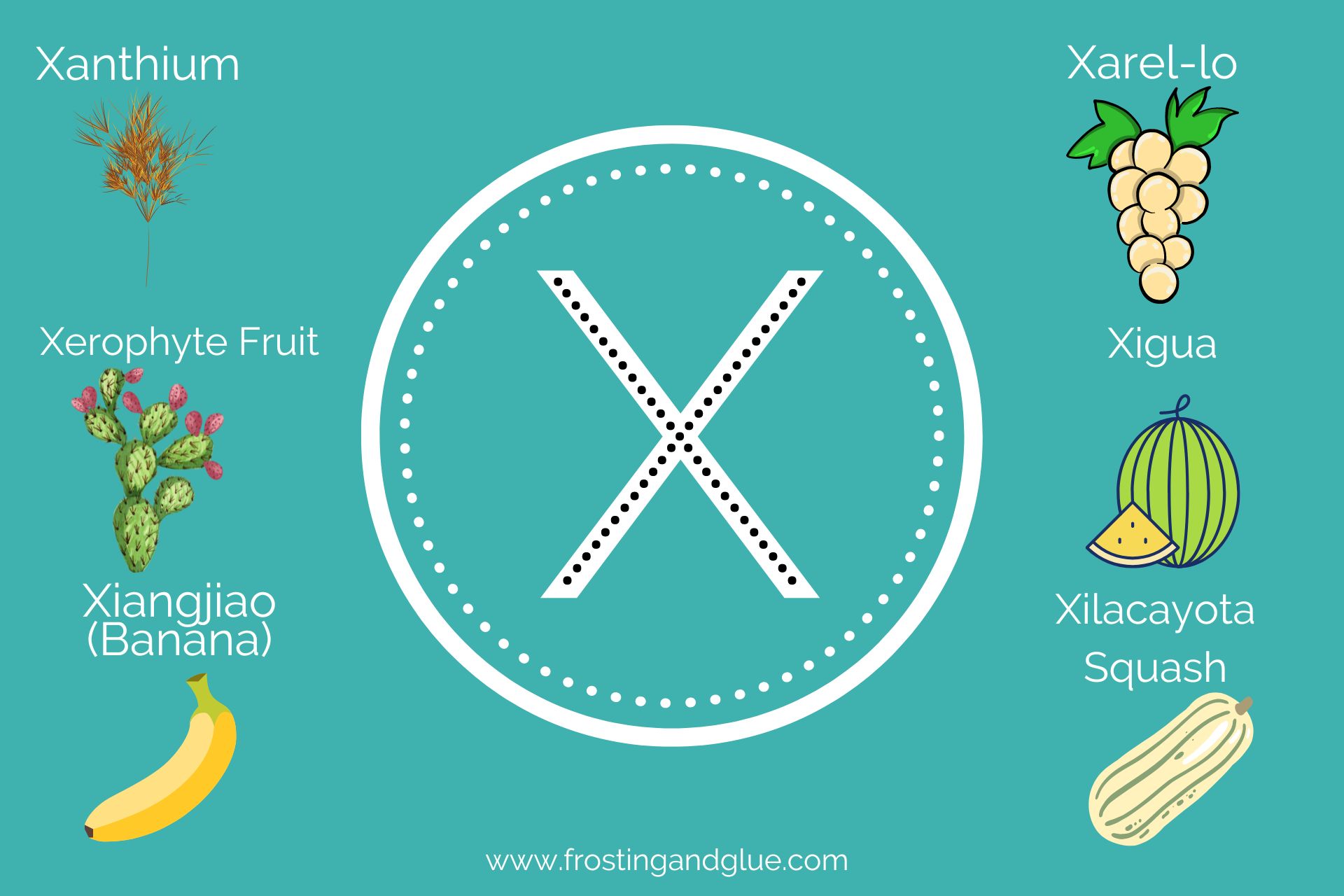
Xigua: A Common Name for Watermelon
While not an exotic fruit in itself,
Xigua deserves a mention when discussing
fruits that start with x because it is the common Chinese name for watermelon. For those specifically searching for fruits beginning with this letter, Xigua often appears in lists. It serves as a reminder that language and cultural context play a significant role in how fruits are named and identified globally.
*
Description: Watermelons (Citrullus lanatus) are large, juicy fruits belonging to the gourd family, native to Africa. They are characterized by their green rind, often with stripes or spots, and sweet, usually red or pink flesh filled with black seeds.
*
Popularity: Xigua, or watermelon, is one of the most popular fruits worldwide, especially during warm seasons, cherished for its hydrating properties and refreshing sweetness.
*
Nutritional Value: High in water content, vitamins A and C, and the antioxidant lycopene, watermelon is a hydrating and healthy choice.
Xylocarpus Granatum: The Cannonball Mangrove Fruit
Among the truly obscure
fruits that start with x is the fruit of the
Xylocarpus granatum, commonly known as the Cannonball Mangrove. This is not a fruit typically sought for its culinary appeal, but rather for its unique appearance and ecological significance.
*
Description: Found in mangrove forests across the Indo-Pacific region, the tree produces large, spherical, woody fruits that resemble cannonballs, sometimes growing up to 25 cm in diameter. These fruits detach and float, aiding in seed dispersal.
*
Taste/Use: The flesh inside is fibrous and typically extremely bitter and astringent, making it unsuitable for direct human consumption as a fresh fruit. However, its extracts have been used in traditional medicine for various ailments, and the bark and wood are valued for tanning and timber. Its primary "fruit" distinction comes from its botanical classification rather than its role in human diets.
Xylopia Aethiopica: African Pepper Fruit or Guinea Pepper
Another compelling entry in the list of
fruits that start with x is
Xylopia aethiopica. Often referred to as African Pepper Fruit, Guinea Pepper, or Kani Pepper, this isn't a fleshy fruit in the typical sense but rather a spice derived from its dried pods.
*
Description: Native to West and Central Africa, this plant produces slender, dark brown, aromatic pods that are about 2-5 cm long. Inside, these pods contain small, hard, kidney-shaped seeds.
*
Flavor Profile: The dried pods and seeds have a pungent, peppery, slightly bitter, and musky flavor, with notes of nutmeg and resin.
*
Culinary Uses: It is widely used as a spice and flavoring agent in traditional African cuisine, particularly in soups, stews, porridges, and beverages. It's also an ingredient in some traditional spice blends.
*
Medicinal Uses: Beyond its culinary applications, Xylopia aethiopica has a long history of use in traditional African medicine for its purported anti-inflammatory, antimicrobial, and pain-relieving properties.
Navigating the Rarity: Where to Find and How to Enjoy X-Fruits
The primary challenge with most
fruits that start with x is their availability. These are not items you'll typically find in your local grocery store. Sourcing them requires a bit more effort and often a connection to specialized markets or geographical regions.
*
Specialty Markets: Look for international food markets, especially those catering to African, Asian, or Latin American communities, depending on the fruit's origin. These markets might occasionally carry dried Xylopia aethiopica or, very rarely, fresh Ximenia americana during its season.
*
Online Suppliers: A growing number of online exotic fruit retailers ship unique produce globally. Searching for "exotic fruits online" or specifically "Ximenia americana fruit" might yield results, though expect seasonal availability and potentially higher prices due to shipping.
*
Travel: The most authentic way to experience these fruits is often by traveling to their native regions. In local markets of West Africa, you might find Xylopia aethiopica; in parts of South America or other tropical regions, Ximenia could be a seasonal treat.
*
Cultivation: For the truly ambitious, growing some of these plants (like Ximenia americana, if your climate permits) from seed could be an option, though it requires patience and specific horticultural knowledge.
Once acquired, preparation varies. While Ximenia can be eaten fresh (with caution regarding the seed), its tartness often makes it ideal for processing into preserves or juices. Xylopia, as a spice, needs to be dried and can be ground into powder or used whole in cooking. For a broader understanding of exotic fruits, beyond just those starting with 'X', you might find our article
What Are X-Fruits? Exotic Tastes & Unique Facts particularly insightful, diving into their origins and unique characteristics. If you're eager to explore even more obscure and fascinating fruits, our comprehensive resource,
Ximenia & More: The Ultimate Guide to X-Fruits, provides an unparalleled look into the world of these unique natural wonders.
The Nutritional Powerhouses Behind the 'X'
Beyond their intriguing flavors and scarcity, many
fruits that start with x, especially Ximenia americana and Xylopia aethiopica, are packed with beneficial nutrients and compounds.
*
Antioxidants: Many exotic fruits, including Ximenia, are rich in antioxidants, which combat free radicals in the body, potentially reducing oxidative stress and supporting overall health.
*
Vitamins and Minerals: Ximenia americana is noted for its Vitamin C content, crucial for immune function and skin health. Xylopia aethiopica, as a spice, contributes various minerals and bioactive compounds.
*
Traditional Medicine: The long history of use in traditional medicine systems across different cultures highlights their recognized health benefits, from anti-inflammatory properties to digestive aids. While scientific research is ongoing for many of these uses, it underscores their potential as natural wellness boosters.
Exploring these unique fruits isn't just about taste; it's about connecting with nature's diverse pharmaceutical cabinet and appreciating the holistic value these plants offer.
Tips for the Adventurous Palate: Embracing the Unknown
If you're ready to venture into the world of
fruits that start with x, here are some tips to ensure a rewarding experience:
*
Start with Research: Before consuming any unknown fruit, especially wild varieties, always do thorough research. Identify the fruit correctly, understand its preparation requirements, and be aware of any parts that might be inedible or require special handling (like Ximenia seeds).
*
Taste in Small Amounts: When trying a new fruit, especially one with a strong or unusual flavor, start with a small portion to gauge your reaction and tolerance.
*
Experiment with Culinary Applications: Don't be afraid to experiment. If a fruit is too tart to eat fresh, consider making it into a jam, sauce, or incorporating it into a savory dish. Xylopia aethiopica, for example, shines as a spice.
*
Seek Local Guidance: If you're traveling and encountering these fruits in their native regions, seek advice from locals on how they are traditionally prepared and consumed. This often provides the best insights and ensures an authentic experience.
*
Consider Sustainability: As these are rare fruits, be mindful of their origin and sustainability. Support ethical sourcing practices to help preserve these unique species and their ecosystems.
In embracing these 'X' fruits, you're not just expanding your diet; you're expanding your understanding of global biodiversity and culinary heritage.
In conclusion, while the category of
fruits that start with x might be short, it is exceptionally rich in intrigue and unique experiences. From the tangy delight of Ximenia americana to the spicy kick of Xylopia aethiopica, and the ecological marvel of Xylocarpus granatum, these fruits offer a glimpse into the diverse and often hidden treasures of the plant kingdom. Their rarity makes them a true culinary adventure, challenging us to look beyond the ordinary and appreciate the extraordinary. So, next time you're seeking a genuinely unique taste experience, remember the captivating world of 'X' fruits – a testament to nature's endless innovation and a delicious invitation to explore the unknown.